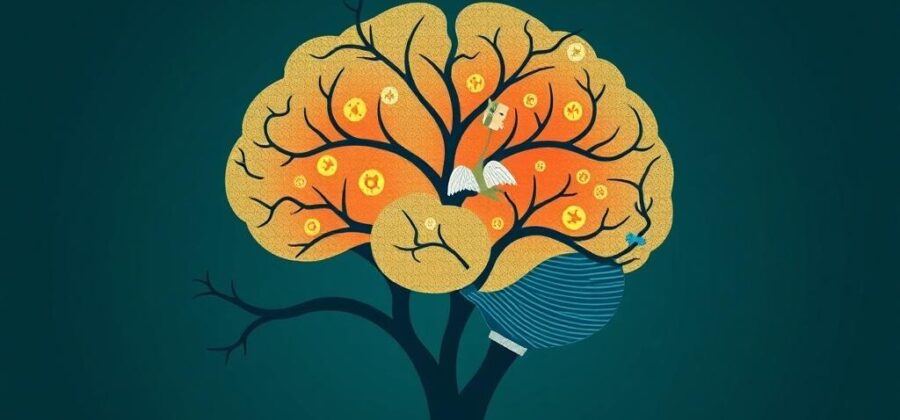
When we talk about growing older, most conversations steer straight to wrinkles, retirement accounts, and grocery lists. But the quieter, more fascinating shift happens inside: how we think, remember, decide, and feel. The Psychology of Aging and Cognition is the map we use to follow those changes—how the brain reshapes itself across decades and how the person inside it adapts, compensates, and sometimes surprises us.
What changes in the brain as we age?
Aging is not a single process but a bundle of changes that unfold at different rates. Brains of older adults tend to show reduced volume in certain areas, especially the prefrontal cortex and hippocampus, which are involved in planning, attention, and memory. These structural shifts reflect loss of neurons in some regions, pruning of synapses, and changes to supporting cells like glia.
White matter—the brain’s information highways—also changes with age. Myelin, the fatty sheath that speeds neural signals, can degrade, making communication between regions slower and less reliable. Small vessel disease in the brain’s circulation adds another layer of complexity, producing subtle damage that accumulates over time.
At a chemical level, neurotransmitter systems change. Dopamine signaling, central to motivation and cognitive flexibility, typically declines with age, and acetylcholine pathways that support attention and memory can become less efficient. These shifts help explain why some mental tasks become harder while others remain intact or even improve.
Neuroplasticity: aging brains can still adapt
One myth worth busting is that older brains lack plasticity. While plasticity may not be as exuberant as in youth, the brain continues to form new synaptic connections and can recruit alternate networks to support function. Functional MRI studies often show older adults activating additional brain regions during demanding tasks, a pattern interpreted as compensation.
This compensatory activation isn’t always sufficient, but it points to a fundamental truth: experience, training, and environment influence how brains age. Nutritional choices, cognitive engagement, and physical activity interact with biology to shape trajectories in ways that are often modifiable.
Cognitive strengths and weaknesses across adulthood
Not all cognitive abilities change the same way. Researchers commonly divide cognition into fluid abilities—those that involve processing new information and solving novel problems—and crystallized abilities, the knowledge and skills accumulated over a lifetime. Fluid abilities tend to peak in young adulthood and decline gradually, whereas crystallized skills like vocabulary and domain knowledge can remain stable or improve well into later life.
Processing speed shows one of the most consistent declines with age. Tasks that demand rapid mental responses, like scanning and reacting to stimuli, typically slow down. Working memory—the capacity to hold and manipulate information over short periods—also tends to shrink, particularly when tasks require maintaining and updating multiple pieces of information simultaneously.
Episodic memory, the ability to recall specific events and contexts, is commonly affected by aging. Older adults often report more difficulty remembering names, appointments, and recent conversations. In contrast, procedural memory—skills like riding a bicycle or playing an instrument—usually remains robust unless affected by neurological disease.
The emotional and social edge
Despite declines in certain domains, emotional regulation and social reasoning often sharpen with age. Older adults frequently report greater stability in mood and an enhanced ability to focus on meaningful relationships. The so-called positivity effect shows that older people preferentially attend to and remember positive over negative information, a shift that supports well-being.
Wisdom-related skills—perspective-taking, tolerance for ambiguity, and complex moral reasoning—can also develop with age, shaped by life experience rather than raw processing speed. These gains matter as much in everyday life as measurable test scores do, influencing decisions, caregiving, and community engagement.
Which cognitive changes are normal and which signal trouble?
Distinguishing normal aging from pathological decline is a central task for clinicians, families, and individuals. Normal aging brings slower processing, occasional memory lapses, and the need for longer learning times, but it does not usually impair independence. In contrast, pathological conditions like dementia produce progressive, domain-spanning deficits that interfere with daily life.
Mild cognitive impairment (MCI) sits in the middle ground: objective decline on tests beyond what would be expected for age and education, but with preserved daily functioning. Some people with MCI remain stable or even improve, while others progress to dementia. Early assessment and monitoring are therefore important to determine risk and plan supports.
Common warning signs that merit evaluation
Subtle changes deserve attention when they represent a clear decline from a prior level of function, especially if they affect routine tasks. Examples include getting lost in familiar places, forgetting recently learned information repeatedly, difficulty following conversations, or sudden mood and personality shifts. These signs are reasons to see a healthcare professional.
Not every memory complaint reflects brain disease. Sleep problems, medication side effects, depression, anxiety, and metabolic issues like thyroid dysfunction can all impair cognition. A careful workup often reveals reversible contributors that can be treated to improve mental clarity.
How lifestyle shapes cognitive aging
Decades of research show that lifestyle factors matter—for both risk and resilience. Physical exercise, particularly aerobic activity, increases blood flow to the brain, supports neurotrophic factors like BDNF, and is consistently associated with better cognitive outcomes. Even moderate regular activity—walking, cycling, swimming—produces measurable benefits.
Nutritional patterns also play a role. Diets rich in fruits, vegetables, whole grains, lean proteins, and healthy fats—typified by the Mediterranean and MIND diets—correlate with lower rates of cognitive decline. Antioxidants, omega-3 fatty acids, and adequate vitamin D are among the nutrients under investigation for their neuroprotective properties.
Sleep is another cornerstone. Poor sleep quality and fragmented sleep architecture are linked to worse memory and an increased accumulation of amyloid-beta, a protein associated with Alzheimer’s disease. Prioritizing consistent, restorative sleep supports both daytime cognition and long-term brain health.
Social engagement and cognitive stimulation
Staying socially connected and intellectually engaged confers protection. People who maintain robust social networks, volunteer, work, or participate in group activities tend to show slower cognitive decline. Engaging in mentally challenging activities—learning a language, playing an instrument, or tackling complex hobbies—encourages plasticity and helps build cognitive reserve.
Cognitive reserve refers to the brain’s flexibility and capacity to maintain function despite age-related changes or pathology. Reserve is shaped by lifetime education, occupational complexity, and the richness of social and intellectual experiences. Even late-life activities can strengthen reserve and yield benefits.
Interventions that show promise
Interventions to support cognition range from public health measures to individualized therapies. Exercise and diet interventions have the strongest and most reproducible evidence for modest but meaningful effects across large samples. Multimodal programs that combine physical, cognitive, and social elements often outperform single-focus approaches.
Cognitive training programs—targeting memory, attention, or speed—produce improvements on trained tasks, and some studies show transfer to everyday functioning. The magnitude and durability of these gains vary, and research is ongoing to identify which methods deliver the most meaningful real-world benefit.
Pharmacological options for age-related cognitive decline are limited. For diagnosed dementia, medications like cholinesterase inhibitors and memantine can provide symptomatic benefit for some patients. However, there are currently no widely endorsed drugs that reliably prevent cognitive aging in healthy older adults.
Emerging and experimental approaches
Novel strategies are under evaluation, including noninvasive brain stimulation, neurofeedback, targeted cognitive-behavioral therapies, and digital therapeutics that adapt to the individual. Biomarker-guided treatments and precision medicine approaches aim to tailor interventions based on genetics, imaging, and blood-based markers. The field is moving fast, but robust, long-term evidence for many of these methods is still building.
My own work as a volunteer in a memory clinic taught me two simple lessons: interventions that are practical and enjoyable get used, and small changes compound. A patient who traded a daily TV hour for a neighborhood walk and weekly art class reported more energy and clearer thinking within months—an anecdote that mirrors controlled findings on lifestyle effects.
Assessing cognition: tests, imaging, and biomarkers
Clinical assessment begins with a careful history and brief cognitive screening. Tools like the Mini-Mental State Examination (MMSE) and the Montreal Cognitive Assessment (MoCA) are quick ways to flag cognitive impairment, but they are not diagnostic on their own. Neuropsychological testing provides a fuller picture, identifying specific domains of weakness and their severity.
Imaging methods, such as MRI or CT scans, help detect structural problems like strokes, tumors, or atrophy patterns. PET scans and cerebrospinal fluid assays can identify amyloid and tau pathology associated with Alzheimer’s disease, though such tests are typically used when diagnostic clarity will influence management. Blood-based biomarkers are an expanding frontier promising less invasive, accessible screening in the near future.
Importantly, assessment should consider cultural and educational background. Standardized measures can misrepresent abilities in people from diverse linguistic or cultural groups, so clinicians must interpret results in context and use culturally appropriate tools when available.
Memory strategies that actually work
Practical techniques can make a real difference in daily functioning. Spaced repetition—reviewing information at increasing intervals—aligns with the brain’s natural consolidation processes and helps move facts from fragile short-term stores into more durable memory. Chunking information and using meaningful associations also reduce cognitive load and enhance recall.
External aids are powerful, too. Calendars, alarms, pill organizers, and labeled storage reduce the cognitive burden of remembering logistics. Cueing systems that tie tasks to routines, like placing keys by the door or keeping a daily checklist, turn fragile intentions into reliable habits.
Below is a short list of memory and attention strategies that people can start using today. These are practical, evidence-informed, and easy to personalize.
- Use a single, visible calendar and check it daily.
- Set alarms for medications and appointments, and use distinct tones for different tasks.
- Practice spaced retrieval for names and facts—review them several times over days and weeks.
- Reduce distractions when learning new information: turn off background noise and focus for short blocks.
- Link new information to personal stories or vivid images to enhance encoding.
Caregiving, communication, and relationship dynamics
Cognitive changes reshape relationships in practical and emotional ways. Caregivers often balance respect for autonomy with necessary support, negotiating safety and independence daily. Effective communication strategies—simple language, one idea at a time, and visual cues—reduce frustration and preserve dignity.
Emotional reactions are part of the process. Role reversals between adult children and parents can stir grief and guilt as much as practical challenges. Families do best when they plan ahead—discussing wishes, finances, and legal matters before crises arise—and when they enlist outside support early to avoid burnout.
In my experience working with families, those who combine structured routines with flexible empathy fare best. Practical systems like shared calendars and caregiving schedules paired with clear, compassionate conversations about expectations ease daily life and protect relationships.
Ageism and cultural perspectives on cognitive aging
Cultural narratives about aging influence how individuals experience cognitive change. Ageist assumptions—that decline is inevitable and uniformly catastrophic—can undermine confidence and reduce engagement, paradoxically accelerating decline. Conversely, societies that value elders and integrate them into community life often see better cognitive and emotional outcomes among older adults.
Public policy and workplace practices shape opportunities for cognitive engagement. Age-friendly workplaces, lifelong learning programs, and community centers that welcome mixed-age participation help maintain social and mental activity. Combating ageism requires both structural changes and shifts in everyday language and expectations.
When to seek assessment and what to expect
It makes sense to seek evaluation if cognitive changes interfere with everyday tasks, if memory lapses are worsening, or if others notice differences in thinking and behavior. A primary care physician is a good first contact; they can screen for reversible causes and refer to neurology, geriatrics, or neuropsychology as needed.
Expect a comprehensive assessment to include medical history, medication review, cognitive testing, and possibly imaging or bloodwork. The goal is to identify treatable contributors, clarify diagnosis, and support planning for future needs. Early diagnosis can open doors to services, legal protections, and interventions that preserve quality of life.
Research frontiers: where the science is heading

Researchers are probing many promising avenues: refining blood-based biomarkers for early detection, using machine learning to predict risk trajectories, and exploring combinations of lifestyle, pharmacologic, and digital interventions. Gene-environment interactions and epigenetic mechanisms are also hot topics, offering insights into why people with similar lifestyles diverge widely in outcomes.
Large, long-term trials like the FINGER study suggest that multifactorial interventions can slow cognitive decline in at-risk older adults, but questions remain about optimal intensity, duration, and personalization. Translating promising research into accessible community programs is a pressing challenge for public health.
Another exciting area is technology-enabled support. Smartphone apps, wearable devices, and telehealth platforms can deliver cognitive training, monitor function, and connect people to care. The trick will be designing tools that are usable, engaging, and equitable across socioeconomic groups.
Ethical and societal questions
As diagnostics become more sensitive, society faces ethical dilemmas about risk disclosure, insurance discrimination, and the emotional impact of knowing one’s biomarker status. Policies will need to balance innovation with privacy, access, and fair treatment for people at different risk levels.
Similarly, as interventions multiply, equitable access will be crucial. Programs that help those with resources may widen disparities if public systems and community organizations are not supported to deliver effective interventions broadly.
Practical daily habits for sharper thinking
Small, consistent habits beat sporadic grand gestures. Building a daily routine that includes movement, social contact, mental challenge, and good sleep does more than check boxes; it creates a cumulative protective effect. Start with realistic goals and increase them gradually to sustain progress.
Here are simple, evidence-informed practices you can adopt this month to support cognitive health. They are inexpensive and adaptable to most lifestyles.
- Walk 20–30 minutes most days, aiming for moderate intensity that raises heart rate.
- Eat a diet rich in vegetables, legumes, whole grains, and healthy fats; reduce processed foods.
- Prioritize 7–8 hours of sleep, and address snoring or sleep apnea with a clinician if suspected.
- Schedule weekly social activities that challenge conversation and memory, like book clubs or volunteer shifts.
- Practice a cognitively demanding hobby—puzzles, language learning, musical practice—three times per week.
A brief, practical table: cognitive domains and typical trajectories
| Domain | Typical age-related change | Everyday implications |
|---|---|---|
| Processing speed | Gradual decline | Slower responses, need more time for complex tasks |
| Working memory | Modest decline | Harder to hold multiple items in mind, use lists |
| Episodic memory | Variable decline | Forgetting appointments or conversations more often |
| Semantic memory | Stable or improving | Vast knowledge base and vocabulary often retained |
| Procedural memory | Usually stable | Skills and routines remain intact |
| Emotion regulation | Often improves | Greater focus on meaningful goals and positive information |
Stories that illustrate the range of possibilities
Consider Maria, a retired teacher in her seventies who took up pottery after losing a spouse. The fiddly handwork slowed arthritis pain and forced focused attention, sharpening fine motor coordination and giving her daily structure. Her memory concerns diminished as she engaged socially and learned a new craft that required practice and problem solving.
Contrast that with Jamal, a former engineer who was diagnosed with mild cognitive impairment in his late sixties. Early occupational therapy, medication adjustments, and a structured exercise program helped him maintain independence for several years. His family learned to adapt routines, use external aids, and plan for future care while preserving his dignity and decision-making involvement for as long as possible.
Practical resources and next steps
If you or a loved one notice cognitive changes, start by documenting specific examples—missed bills, difficulties with familiar tasks, or noticeable changes in mood or behavior. Bring these notes to your primary care provider. Early conversations make a difference in planning and accessing supports.
Community resources can include memory clinics, senior centers, educational programs, and support groups for caregivers. Libraries, religious organizations, and volunteer centers often host cognitive and social activities at low or no cost. Local public health departments can point you to services and benefits that might be available.
Final thoughts on living well with cognitive change
Aging brains are neither fragile nor fixed; they are dynamic systems shaped by genes, experience, and choices. Some cognitive capacities decline, some remain steady, and others grow richer with time. Recognizing this complexity helps us respond with curiosity rather than fear and with practical action instead of resignation.
Small, sustainable changes in lifestyle, meaningful social engagement, timely medical assessment, and the use of compensatory strategies can preserve independence and quality of life. Whether you are planning for the future or supporting someone now, the most effective approach combines empathy, information, and consistent habits that keep the mind active and the heart engaged.