
Parenting shapes a child’s world in ways both obvious and quiet, like the architecture of a house that channels light and weather without us noticing. This article explores how different approaches to raising children interact with temperament, culture, and life stress to produce a wide array of outcomes. I will use research, practical examples, and some personal reflections to illuminate what parenting styles do and how caregivers might adjust their practices to better meet their children’s needs.
What we mean by parenting style
When psychologists talk about parenting style, they mean the consistent emotional climate and pattern of behavior that parents use with their children, not a single technique or one-off rule. Style encompasses warmth, discipline, communication patterns, and expectations, and it tends to be stable across many situations even as tactics change with age or context. Thinking in terms of style helps separate isolated behaviors — like a bedtime battle — from the broader relational tone that shapes a child’s developing sense of self.
People sometimes confuse parenting style with parenting strategy, but they are different. Strategies are tools you pull out for a particular job — time-outs, reward charts, or family meetings — while style is the habitual way those tools are applied and the emotional message behind them. Understanding both levels gives caregivers more predictable, intentional influence over outcomes.
Researchers have mapped parenting styles onto dimensions such as responsiveness and demandingness to compare families across cultures and time. These dimensions let us see patterns: some parents emphasize structure and high expectations, others emphasize nurturing and autonomy, and many fall somewhere between. Recognizing where you, as a parent or caregiver, sit along these axes is the first step toward change if you want it.
Four classic parenting styles
Authoritarian: strict, controlled, and low in warmth
The authoritarian style prioritizes obedience, clear rules, and top-down control, often with little room for negotiation about feelings or perspective. Parents who adopt this approach tend to enforce standards without explaining the reasoning or inviting the child’s input, which can create efficient short-term compliance. Over time, however, children raised primarily under authoritarian rules may struggle with independent decision-making, internal motivation, and sometimes with emotional expression.
Authoritarian parenting is sometimes driven by cultural norms or safety concerns, and it can produce well-behaved, rule-following children in environments where conformity is prized. Yet the lack of warmth often associated with this style can leave children with higher anxiety and lower self-esteem than peers raised with more supportive discipline. Context matters: a strict household in a high-risk neighborhood may yield different trade-offs than the same household in a low-risk setting.
In my experience working with families, I’ve seen authoritarian parents who genuinely fear losing control or feel that firmness equals love. When those parents discover ways to pair clear boundaries with emotional attunement, outcomes frequently improve without sacrificing structure. Small shifts — explaining rules, acknowledging emotions, and allowing limited choice — can make obedience feel less like suppression and more like shared understanding.
Authoritative: high expectations, high support
Authoritative parents combine clear, consistent expectations with warmth, reasoning, and responsiveness; they set boundaries but explain them and adjust when appropriate. This style encourages children to internalize standards because they understand reasons and feel respected rather than coerced. Longitudinal research links authoritative parenting with better social skills, academic achievement, and emotional regulation across many cultures.
Authoritative caregiving doesn’t mean permissiveness; it requires active engagement and follow-through. Parents who practice it enforce consequences, but they do so predictably and teachably, turning missteps into learning moments. Children raised this way often develop autonomy and initiative because they were given opportunities to practice decision-making with guidance and feedback.
I remember a family I worked with where the parents moved from strict to authoritative approaches in response to their child’s escalating resistance. By inviting their child into problem-solving and consistently naming emotions, the family reduced conflict in a matter of months. The difference was not less discipline but smarter, more humane discipline that built cooperation rather than resentment.
Permissive: warm but inconsistent limits
Permissive parents are nurturing and accepting, yet they place few demands on their children for mature behavior or responsibility. Their homes are often emotionally rich but lacking in predictable structure, and consequences for misbehavior may be minimal or inconsistently applied. Children of permissive parents can retain strong self-worth but sometimes struggle with self-regulation and meeting external expectations.
Permissiveness can arise from a desire to avoid conflict, guilt about family stressors, or simply valuing child-centered freedom. Some parents intend to foster creativity and independence, but without scaffolding and limits, children may not learn how to delay gratification, manage frustration, or complete tasks they do not enjoy. Over time, that gap can translate into challenges in school and work settings where external structure is demanded.
In conversations with permissive parents, I often hear heartfelt intentions: «I want my child to feel loved and free.» Translating that intention into practices that include gentle boundaries — like consistent routines and reasonable expectations — allows warmth to coexist with growth. Small rituals, such as calm evening routines or shared chores, provide scaffolding without dampening affection.
Uninvolved: low responsiveness and low demands
The uninvolved style is marked by emotional distance, minimal supervision, and little involvement in a child’s life. This can emerge from parental depression, substance use, extreme stress, or simply neglectful patterns. Children raised with low involvement often experience attachment difficulties, academic problems, and higher risk of behavioral issues due to a lack of both support and guidance.
Not every parent who has moments of disengagement fits this style; the classification reflects a chronic pattern. The long-term absence of monitoring and emotional availability tends to undermine a child’s sense of safety and competence, making it harder for them to form trusting relationships. Interventions that restore parental capacity and connection can be profoundly restorative for families in this position.
I have known families where work demands and mental health challenges pushed caregivers toward emotional withdrawal. When community supports, therapy, or simple consistent check-ins were added, even modest increases in responsiveness reshaped the parent-child dynamic. That kind of incremental repair offers a hopeful counterpoint to the harshness of the uninvolved label.
Comparing styles at a glance
It helps to see the defining features of each style side by side to grasp their trade-offs and the child outcomes most commonly associated with them. The table below summarizes warmth, control, and typical developmental patterns linked to each style.
| Style | Warmth | Control | Common child outcomes |
|---|---|---|---|
| Authoritarian | Low | High | Compliance, lower self-esteem, higher anxiety |
| Authoritative | High | High | Higher self-regulation, social competence, academic success |
| Permissive | High | Low | Creativity, poor self-discipline, difficulty with boundaries |
| Uninvolved | Low | Low | Attachment problems, behavioral and academic difficulties |
How parenting styles develop
Parenting style is not created in a vacuum; it reflects parents’ own childhoods, cultural expectations, personality traits, and current stressors. People often repeat patterns they experienced as children because those patterns are familiar and implicitly taught, even when they don’t want to. Awareness of these roots is the first lever for change, because recognizing a pattern reduces the power of habit.
Cultural context matters greatly: some cultures value interdependence and clear hierarchical roles, while others prioritize independence and open negotiation. What researchers classify as «authoritarian» in one culture may function differently in another when filtered through community values and collective meaning. That cultural lens explains why a parenting style cannot be judged solely by surface behaviors; the same tactic can have different emotional implications across settings.
Stress and resources have strong effects on style. Chronic economic strain, limited social support, or untreated mental health issues push parents toward more rigid or more withdrawn patterns as survival strategies. Interventions that reduce stress — childcare support, economic assistance, accessible mental health care — can allow caregivers to move toward more responsive, consistent parenting without adding unrealistic expectations to their plates.
Attachment and temperament: how child factors shape style

Parenting is bidirectional: a child’s temperament and attachment patterns influence parental behavior and the evolving style of the relationship. A highly reactive toddler can elicit more controlling or more permissive responses depending on the parent’s threshold for frustration and their usual coping methods. Understanding a child’s natural style helps parents adapt rather than react, which improves alignment and reduces conflict.
Attachment theory clarifies how early sensitivity and responsiveness build a child’s internal working model of relationships, which in turn affects future behavior and emotional health. Parents who can step into a child’s experience — noticing signals, offering comfort, and setting limits gently — foster secure attachment even if they occasionally misstep. Securely attached children are better able to explore, regulate, and learn from their environment.
Practical advice often begins with assessment: noticing whether a child calms with reassurance, whether they resist limits but respond to reasoning, or whether they are withdrawn and in need of warmth. Those observations guide whether to emphasize structure, emotional coaching, or both. Matching the parenting approach to the child’s needs is a more effective recipe than insisting on a single «right» style.
Effects on social and emotional development
Parenting style lays the groundwork for how children manage feelings, understand social rules, and form relationships. Authoritative caregiving, with its combination of warmth and clear limits, consistently fosters emotional intelligence and prosocial behavior because children learn both empathy and the rules of social conduct. Children learn by example: if caregivers model respectful problem-solving, children internalize those strategies.
Conversely, parenting that is overly harsh or emotionally distant can complicate a child’s ability to regulate stress and form secure friendships. When emotions are dismissed or punished, children may hide feelings or express them in disruptive ways. Long-term social difficulties often trace back to patterns in early caregiving that either modeled healthy emotion management or taught avoidance and dysregulation.
Schools and peer groups magnify these early patterns. A child who learned negotiation skills at home is better equipped to manage conflicts at school. A child taught to suppress feelings may struggle with peer intimacy and misinterpret social cues. Interventions that build emotion coaching in parents can shift trajectories even when difficulties have already appeared.
Effects on cognitive and academic outcomes
Parenting style also influences cognitive development through language exposure, problem-solving opportunities, and parental expectations. Authoritative parents tend to provide stimulating environments, encourage curiosity, and set academic expectations that are both challenging and attainable, which supports school achievement. High-quality interactions — asking open-ended questions, reading together, and scaffolding tasks — promote cognitive growth regardless of socioeconomic status.
On the other hand, environments characterized by chaos or neglect often limit opportunities for focused learning and can create chronic stress that hampers concentration and memory. Stress hormones in such contexts interfere with the brain systems that underlie executive function, making it harder for children to plan, organize, and persist at school tasks. Targeted supports such as tutoring, predictable routines, and enriched language exposure can mitigate these effects.
Effects on behavior and mental health
Behavioral problems and mental health outcomes show consistent relationships with parenting patterns. Warmth combined with firm structure reduces the likelihood of externalizing problems like aggression, while neglect and harshness are linked to higher rates of conduct problems. Internalizing problems — anxiety and depression — often correlate with either overly controlling environments that stifle autonomy or with cold, uninvolved caregiving that erodes security.
Importantly, parenting style is one of several interactive factors; genetics, peer influences, and life events all contribute to behavior and mental health. That said, supportive parenting can act as a buffer against genetic risk and environmental stress, reducing the probability of severe problems. Clinicians use family-focused interventions to strengthen protective parenting behaviors precisely because they change the relational context in which symptoms develop.
Prevention and early intervention yield large returns. Parenting programs that teach consistent discipline, emotion coaching, and stress management reduce later rates of juvenile delinquency and mental health diagnoses. The leverage point is the relationship itself: when parents learn to respond rather than react, children gain tools for healthier coping and social engagement.
Parenting across developmental stages

Toddlerhood: setting the tone
The toddler years are where patterns begin to crystallize; caregivers who provide consistent limits alongside predictable affection set a tone of safety and exploration. Toddlers need boundaries because their developing brains lack impulse control, and those boundaries feel supportive when delivered calmly and consistently. Emotion coaching at this stage — naming feelings and validating experiences while redirecting behavior — builds early self-regulation.
Short, concrete rules work best: «We use gentle hands» is more effective than abstract moralizing with a 2-year-old. Routines reduce power struggles because they create expectations that children can learn, and offering limited choices preserves autonomy while maintaining limits. Small, repeated moments of connection — bedtime stories, shared meals, calm transitions — establish a relational bank account that parents can draw on during tougher phases.
School-age children: scaffolding competence
During the early school years, children benefit when parents adjust from direct control to collaborative guidance, teaching skills and gradually increasing responsibility. Authoritative practices shine here: parents set clear expectations for homework and behavior but explain reasons and monitor without micromanaging. These years are prime for cultivating executive function through chores, routines, and problem-solving tasks that require planning and follow-through.
Peer influences grow in importance in this stage, so parents who maintain open communication and supervise friendships while promoting independence help buffer against negative influences. Discipline that focuses on learning — natural consequences, restorative practices, and negotiation — teaches children how to repair harm and make better choices. Small failures become valuable practice for resilience when adults respond with calm coaching rather than punitive shame.
Adolescence: negotiating autonomy
Adolescence intensifies the challenge of balancing autonomy with continued guidance; the brain is primed for risk and social sensitivity, and parents must adapt by granting freedom within known limits. Authoritative parenting during teen years looks like negotiation, clear expectations about safety, and trust-building through consistent monitoring and respectful dialogue. Adolescents who feel heard are more likely to accept limits because they perceive them as fair rather than arbitrary.
Strict authoritarian control at this stage often backfires, driving secrecy and rebellion, while permissiveness can leave teens unprepared for adult responsibilities. Parents who stay involved, set non-negotiable boundaries (like curfews or substance rules), and allow reasonable choices in other domains create a scaffold for safe exploration. This period also benefits from explicit teaching about decision-making, consent, and long-term planning.
Changing parenting styles: what works
Parenting style is adaptable; with intention and support, caregivers can shift patterns even after long-standing habits have formed. Change typically involves raising awareness, practicing new responses in manageable steps, and getting feedback in a nonjudgmental context. Brief coaching or group programs that focus on specific skills — emotion coaching, predictable routines, consistent consequences — produce measurable improvements in parent-child interactions.
One effective method is «small experiments»: try a new approach for a week, observe the results, and adjust. For example, a parent who normally yells to gain compliance might instead try a calm, concise instruction followed by a brief timeout and note the child’s response. Repeated small successes build confidence and create new neural pathways that support the new style.
Therapeutic supports — parental mental health treatment, couple therapy, or family therapy — remove obstacles that often block changes in parenting. When parents address their own trauma or stress, they free up emotional bandwidth to respond more sensitively. Community supports, like parenting groups, also provide social proof that change is possible and reduce feelings of isolation during the hard work of transformation.
Programs and interventions with strong evidence
Several parenting programs have robust evidence for improving caregiver practices and child outcomes, particularly those that emphasize consistency, warmth, and skill-building. Programs such as the Incredible Years, Triple P (Positive Parenting Program), and Parent-Child Interaction Therapy (PCIT) have replicated benefits across diverse populations. These programs typically blend coaching, role-play, and in-the-moment feedback to accelerate learning.
Effective interventions share common elements: they are practical, brief enough to be accessible, and focused on changing observable behaviors rather than lecturing about emotions. They often include home practice, which bridges the gap between knowledge and habit. Scaling these programs through schools and community health systems has the potential to shift population-level outcomes.
For families where mental health or substance use is a barrier, integrated approaches that address parental needs alongside parenting skills yield the best results. Coordinating supports — combining mental health treatment with parenting coaching and social services — creates the conditions for sustainable change rather than temporary compliance.
Practical strategies for everyday parenting
Small, consistent practices often matter more than grand philosophies. Establish predictable routines, use brief and clear instructions, and pair limits with explanations that are developmentally appropriate. Consistency creates safety, and safety supports exploration and learning.
Use emotion coaching: notice and validate feelings, label them, and offer guidance for coping. Children who name emotions are better at regulating them. This practice reduces power struggles by addressing the underlying emotional drivers of behavior rather than merely suppressing surface actions.
Prioritize connection before correction. When children feel secure, they are more receptive to guidance. Even a minute of focused, nonjudgmental attention before enforcing a rule can change the tone of an interaction from adversarial to cooperative.
- Set three household routines (morning, mealtime, bedtime) and keep them consistent.
- Offer two choices instead of open-ended questions to preserve autonomy.
- Practice a short calm-down routine (deep breaths, counting, or sensory break) for escalating moments.
- Use natural consequences when safe and explain the link between action and outcome.
- Schedule one weekly connection activity with each child without digital distractions.
Common myths and misconceptions
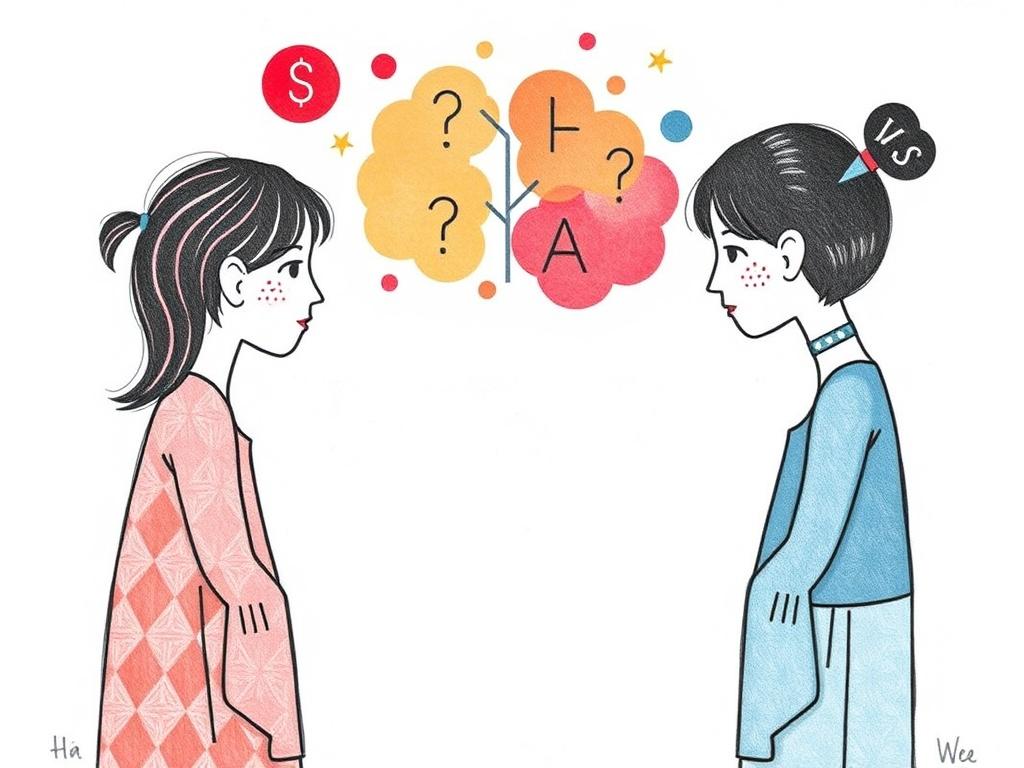
One persistent myth is that there is a single «right» way to parent. In truth, effective parenting depends on child temperament, cultural context, and family resources, so rigid prescriptions rarely fit all. Research supports flexible principles — warmth, structure, and responsiveness — rather than a one-size-fits-all checklist.
Another misconception is that discipline equals punishment. Discipline at its best teaches, guides, and restores rather than simply inflicts consequences. Restorative practices, logical consequences, and brief coaching often produce better long-term behavior than punitive measures that focus on short-term compliance.
Finally, many parents believe change requires perfect consistency or they should wait until stress is gone. Incremental change is both realistic and powerful: small shifts in how parents respond accumulate into new patterns over time. Perfectionism stalls progress; persistence and adaptation move families forward.
Personal reflections and real-life vignettes
One family I’ll never forget involved a single mother juggling two jobs and a surly adolescent son who tested every boundary. When she started a simple nightly ritual — fifteen minutes of undistracted conversation — their relationship shifted dramatically. The mother reported fewer power struggles and the teen began to ask for advice rather than arguing for independence in hostile ways.
In another case, a father with authoritarian tendencies learned to replace blunt commands with short explanations and one follow-through consequence. He worried at first that his child would take advantage, but within weeks the household atmosphere softened and the child’s compliance improved, not because of fear but because expectations felt reasonable. The father described the change as freeing; he no longer felt he had to be the enforcer all the time.
These stories illustrate that parenting style is not destiny. Small relational investments — consistent rituals, brief coaching, and attuned presence — can redirect family trajectories. Real-life change rarely looks like a dramatic conversion; rather, it appears as steady, cumulative shifts that add up to a different everyday reality.
Research highlights and caveats
Longitudinal studies consistently find that authoritative parenting correlates with positive outcomes across many domains, but correlations are not destiny. Children with strong temperamental risks or those exposed to severe adversity may need additional interventions beyond changes in parenting style alone. The effect sizes in research vary, and context moderates outcomes.
Cross-cultural research cautions against simplistic value judgments. For example, certain directive practices in collectivist cultures function as expressions of care and community responsibility, and their outcomes differ from what Western studies might predict. Researchers increasingly emphasize culturally sensitive frameworks that focus on meaning and function rather than surface behavior only.
Finally, measurement matters: many studies rely on parent self-reports, which can conflate intention with practice. Observational studies and interventions with behavioral outcomes provide stronger evidence because they assess how parents actually interact where it counts — in real-time with their children. This is why hands-on programs that measure behavior change are so informative.
Putting insights into practice
Begin by reflecting on one small habit to change: a bedtime routine, a way you give instructions, or a calm-down strategy for meltdowns. Practice the new approach for two weeks and note measurable differences such as fewer interruptions, quicker compliance, or calmer moods. Small wins build motivation and establish new habits more reliably than attempting an immediate overhaul.
Remember to seek help when needed. Parenting classes, supportive friends, therapists, and pediatricians can all offer tools and perspective. Asking for support is not a sign of failure; it is a pragmatic step that expands your capacity to parent in ways that feel consistent with your values.
Finally, allow yourself grace. The task of raising children amid work, financial pressures, and personal history is enormous. Aim for progress rather than perfection, and celebrate the small relational moments that indicate you are moving in a healthy direction. Over time, those moments form the backbone of a nurturing, growth-promoting family life.
Parenting style matters because it shapes the relational soil in which children grow. By understanding patterns, reflecting on intentions, and practicing targeted changes, caregivers can create environments that support competence, calm, and connection. The work is ongoing, but it is also one of the most powerful ways to influence a child’s trajectory toward resilience and thriving.