
We like neat stories—cause, effect, punishment—and when life refuses to hand us tidy narratives, many of us invent them. Blaming victims supplies meaning where uncertainty, danger, or randomness appear, and it protects fragile beliefs about how the world should work. This article digs into the psychological mechanisms, cultural forces, and real-world consequences that keep victim blaming alive, and it offers practical ways to respond when blame shows up in conversations, policies, or headlines.
What victim blaming looks like
At its simplest, victim blaming is the assignment of responsibility to people who suffer harm for having brought that harm upon themselves. It appears in many guises: blaming a sexual assault survivor for their clothing, accusing a robbery victim of being careless with their belongings, or suggesting that a person experiencing homelessness is morally deficient. The pattern is the same: attention shifts from the perpetrator or structural causes to the choices, appearance, or character of the person harmed.
Victim blaming is not always explicit. It can be subtle language—“Why was she there?”—or an institutional pattern, such as investigative questions that probe a victim’s past rather than the actions of an alleged offender. It can also be collective: media framing that emphasizes the victim’s behavior, or communities that ostracize people who speak up about abuse. The result is the same: the survivor is scrutinized, doubted, or shamed instead of supported.
Cognitive roots of blaming the victim
Several basic mental tendencies make humans prone to assign blame to victims. Chief among them is the just-world belief: many people hold, consciously or not, that the world is fair and people generally get what they deserve. When something bad happens to someone who seems respectable or ordinary, that belief jars, so people restore balance by imagining the victim did something to deserve the outcome. This cognitive move preserves a sense of predictability and safety.
Another contributor is cognitive dissonance. When we encounter evidence that challenges our sense of security—such as someone we know being assaulted—we experience discomfort. One quick way to reduce that discomfort is to attribute responsibility to the victim rather than to random chance or to an acknowledged threat. This defensive attribution shields us from the unsettling possibility that harm can occur to anyone, including us.
Heuristics and attribution errors also play a role. People tend to make quick judgments based on salient cues—appearance, behavior, or group membership—and rely on dispositional attributions (about a person’s character) rather than situational explanations. The fundamental attribution error drives observers to overestimate personal traits and underestimate contextual forces, making it easier to declare that the victim’s choices explain the harm they experienced.
Belief systems and worldview maintenance
Worldviews—political, religious, or cultural—shape how we interpret harm. If you hold a worldview that emphasizes personal responsibility, you may be more inclined to see victims as agents who could have avoided their fate. Conversely, individuals whose perspectives foreground structural inequality may emphasize systemic causes and tend to resist victim blaming. These ideological lenses filter information and influence whether people empathize or judge.
Maintaining a coherent worldview is psychologically comforting. When evidence threatens that coherence, people selectively attend, reinterpret facts, or even discredit victims to minimize conflict. This isn’t always malicious; often it is an automatic protection of identity and meaning. But the consequences can be severe for those who then face scrutiny and diminished support.
Social and cultural forces that perpetuate blame
Culture supplies scripts about gender, class, and normal behavior that anchor blaming responses. Gendered stereotypes—such as expectations about male aggression and female coyness—feed pervasive myths about sexual assault, for instance. These myths suggest that victims provoke or invite misconduct, or that a “real” victim would always resist in a particular way. Such narratives ignore nuance and silence those whose experiences don’t match the script.
Media narratives often accentuate these harmful scripts by foregrounding sensational details about victims’ lifestyles, relationships, or choices rather than focusing on patterns of perpetration. Sensational headlines and comment threads can amplify shame and make survivors reluctant to come forward. Similarly, social institutions—schools, workplaces, and religious organizations—may prioritize reputation over safety and respond to allegations in ways that indirectly punish victims.
Historical and structural dimensions
The tendency to blame victims is not just a matter of individual psychology; it is embedded in social structures. Legal systems have historically demanded that victims provide moral evidence of their purity or credibility, especially in cases of sexual violence. Public policy debates about welfare, homelessness, and addiction often hinge on narratives that locate responsibility in personal failings rather than structural constraints.
These structural tendencies reflect and reinforce inequality. When blame concentrates on victims from marginalized groups, it dovetails with broader social narratives that render certain lives less worthy of empathy. That pattern deepens disparities in access to justice, healthcare, and social support, making systemic reform more difficult.
Emotional motives: fear, identity, and moral distancing
Emotions shape the judgments people make about victims. Fear, for example, can prompt protective distancing: it feels safer to believe that bad outcomes result from controllable behaviors rather than from random forces or malicious actors. Assigning blame reduces the anxiety that surrounds the possibility of similar harm happening to oneself.
Identity also matters. When a victim shares an identity with an observer—same racial group, same gender—people are sometimes more likely to empathize, but not always. Group loyalty can produce defensive reactions when acknowledging victimization threatens a collective self-image. Conversely, those outside the victim’s group may be more inclined to blame due to dehumanization or outgroup stereotyping.
Moral elevation and moral outrage
Sometimes blaming emerges from moral outrage directed away from perpetrators and toward victims because the public demands accountability and someone to blame. This misdirected moral energy can be surprisingly punitive: rather than channeling anger toward institutional failures or abusive individuals, communities stigmatize the injured person. The result looks moralistic but lacks true moral repair.
On the other hand, moral elevation—the feeling inspired by witnessing good—can motivate supportive action. Programs that spotlight survivor resilience and community support can harness positive moral emotions to counteract blaming tendencies and to foster restorative responses.
How language shapes blame
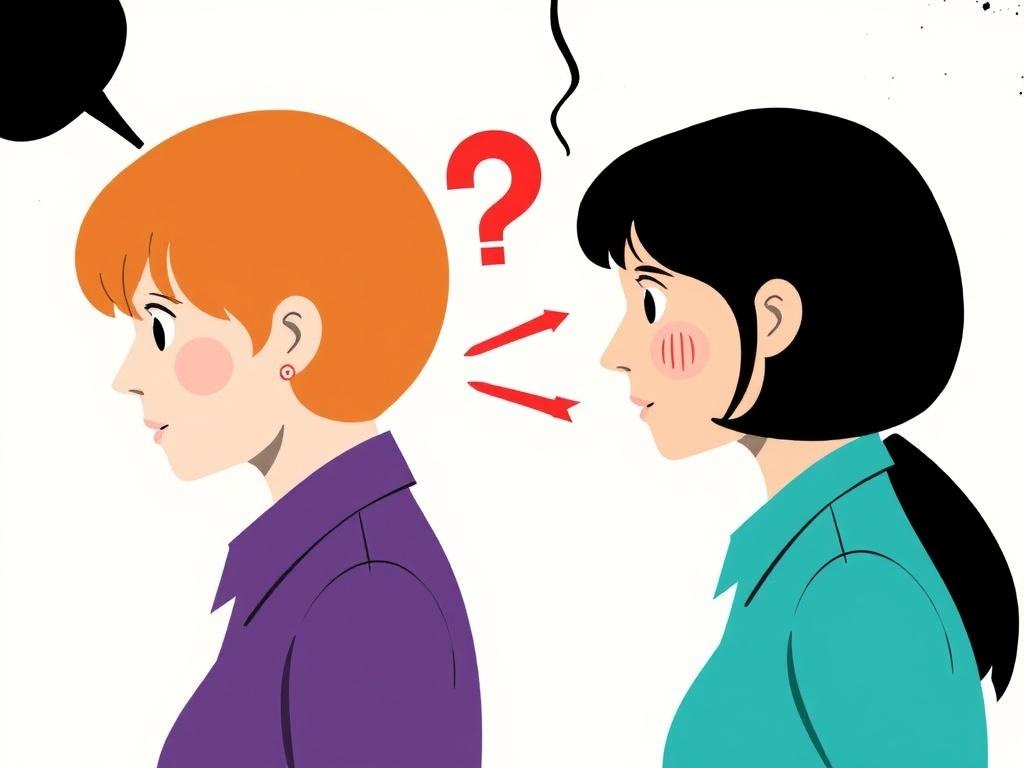
The words we use frame how people interpret events. Passive constructions—“X was assaulted”—can obscure agency and divert attention from perpetrators, while active phrasing—“John assaulted Mary”—clarifies responsibility. Subtle verbs like “claimed” or “said” can imply skepticism. The labeling of people—survivor, victim, offender—also matters because each term carries connotations that influence sympathy and judgment.
Media frames that highlight victims’ choices or use sensational adjectives prime audiences to search for reasons the victim was at fault. Changing the language of reporting, investigations, and casual conversation can shift public perceptions and reduce reflexive blaming. Journalists, lawyers, and educators who understand framing can thus have outsized influence on cultural narratives.
Consequences for victims: psychological and practical harms
The fallout from being blamed extends far beyond hurt feelings. Psychologically, victims who encounter blame often experience increased shame, self-doubt, and symptoms of depression or post-traumatic stress. The stigmatization can interfere with recovery, eroding trust in social networks and in institutions meant to provide care. In short, blaming compounds the original harm.
Practical consequences follow suit. When victims anticipate disbelief or blame, they are less likely to report crimes, seek medical attention, or access counseling and legal services. Underreporting perpetuates cycles of impunity and leaves perpetrators free to harm others. Economically, victims may lose jobs, housing, or financial stability when institutions side with alleged offenders or when public shame intrudes into daily life.
Secondary victimization
Secondary victimization refers to the additional trauma that arises from negative reactions by institutions, caregivers, or communities. Examples include intrusive questioning by police, accusatory remarks from family members, or punitive policies within workplaces. These responses compound trauma and create barriers to justice and healing.
Addressing secondary victimization requires both policy change and cultural attention. Training for first responders and trauma-informed institutional practices can prevent re-injury, and public education can reduce stigmatizing myths that fuel harmful responses to disclosures of abuse or assault.
Victim blaming in legal and institutional settings
Courtrooms and administrative processes often inadvertently recreate blaming dynamics. Defense strategies in sexual assault trials frequently focus on a complainant’s behavior, prior relationships, or credibility, which can transform legal scrutiny into public shaming. Similarly, workplace investigations may prioritize preserving organizational reputation over providing survivor-centered remedies.
Evidence-based practices exist to mitigate these problems, yet resource constraints and cultural inertia hinder widespread adoption. For example, trauma-informed interviewing techniques and specialized prosecutors can improve outcomes, but they require training, funding, and institutional commitment. Where those supports are lacking, the legal process can become another site of harm for victims.
Institutional inertia and policy blind spots
Institutions resist change for many reasons: fear of liability, bureaucratic complexity, or simply a lack of awareness. Policies that seem neutral—like stringent burden-of-proof standards or mandatory reporting thresholds—can nonetheless produce disparate impacts on victims. Reformers must therefore attend not just to law but to the everyday practices and incentives that shape institutional responses.
Addressing these blind spots also means centering the voices of those directly affected. Survivors’ input can reveal procedural harms that outsiders might miss and can guide reforms that actually improve access to justice and support.
Intersectionality: how multiple identities affect blame
Victim blaming does not affect everyone equally. Race, class, gender identity, sexual orientation, immigration status, and disability intersect to shape who is believed and who is blamed. For example, stereotypes about race can make some survivors less likely to be taken seriously, while economic precarity can be pathologized as moral failure rather than structural disadvantage.
Intersectional analysis reveals how systems of oppression mutually reinforce blaming practices. This perspective encourages policies and interventions that recognize structural drivers of harm and that aim to protect the most vulnerable rather than reinforcing hierarchies of worthiness.
Real-world examples and their lessons
Consider media reactions to mass disasters. When poor communities suffer disproportionate harm, public commentary sometimes focuses on risky behavior or alleged local corruption, diverting attention from inadequate preparation, infrastructure failure, or policy neglect. That pattern illustrates how blaming can serve political ends, obscuring responsibility and reducing pressure for reform.
Sexual assault cases offer another instructive example. Survivors who do not conform to the “ideal victim” stereotype—those who drank alcohol, who knew their assailant, or who delayed reporting—are often met with skepticism. Recognition of this bias has led to specialized training for judges and juries in some jurisdictions, with mixed success, but it shows how awareness can begin to shift institutional practices.
Evidence-based approaches to reduce blaming
Intervention strategies must operate on multiple levels: individual education, institutional reform, and cultural change. Educational programs that correct myths about violence and that teach bystander skills can reduce tendencies to blame and increase intervention. For example, workshops in university settings that combine information with role-play produce measurable shifts in attitudes and willingness to act.
Institutionally, implementing trauma-informed practices—such as confidential reporting options, survivor-centered investigations, and legal protections—reduces secondary victimization. Organizations that prioritize transparency and accountability also discourage the shifting of blame to injured parties as a default defense mechanism.
Practical tools for individuals and organizations
For individuals, reflective practices can interrupt automatic blaming responses. Pausing before commenting, asking open questions, and defaulting to belief can create space for support rather than judgment. For organizations, routine training, accountability mechanisms, and survivor advisory councils help align policy with practice.
The following table summarizes a few targeted interventions and their intended impact:
| Intervention | Target | Expected impact |
|---|---|---|
| Bystander intervention training | Community norms | Increase prevention actions; decrease blaming narratives |
| Trauma-informed investigations | Institutional response | Reduce retraumatization; improve reporting rates |
| Media guidelines for reporting | Public discourse | Shift framing away from victim behavior toward accountability |
How to respond when you hear blaming
When someone attributes fault to a victim, your reaction can either amplify harm or provide correction. Effective responses are brief, non-confrontational, and corrective. You might name the harm and the perpetrator, for example: “That sounds terrible; do we know who harmed them?” Such reframing redirects attention without shaming the speaker.
Active listening also matters. If someone expresses skepticism, asking clarifying questions like “What makes you say that?” invites reflection and can expose assumptions. Offering factual information about common myths, or sharing survivor-centered resources, can shift the conversation from judgment to support.
A short script for allies
Allyship can feel awkward at first, so having a short script helps. Try saying: “I can’t know everything about the situation, but blaming the person who suffered doesn’t help. What they need is [safety/support/medical care], and we should focus on that.” This statement refuses to endorse the blame and offers a concrete alternative—centering care over speculation.
When interacting with institutions, document interactions, request advocates or counselors, and, when possible, engage legal counsel or community organizations that specialize in victim support. Those steps create protective buffers against institutional blame and can help survivors access necessary services.
Media literacy and public education
Media consumers benefit from critical literacy skills that help them spot victim-blaming framing. Teachable cues include sensational headlines focused on the victim’s behavior, disproportionate attention to salacious details, or omission of perpetrator context. Recognizing these patterns makes it easier to call out problematic coverage and to demand better reporting standards.
Public education campaigns that humanize survivors and explain common reactions to trauma can also reduce stigma. Campaigns that combine storytelling with research findings—such as how trauma affects memory or reporting timelines—help audiences reconcile empathy with common misconceptions about credibility.
Training professionals: police, prosecutors, and clinicians
Professionals who encounter victims regularly must recognize how their approaches can perpetuate blame. Police officers trained in trauma-informed interviewing techniques, for example, are less likely to ask leading or accusatory questions. Prosecutors who understand the dynamics of coercion and trauma can better evaluate evidence and advocate for victims in court.
Clinicians also play a key role; therapeutic approaches that validate victims’ experiences and help them navigate feelings of shame can counter internalized blame. Ongoing training, supervision, and institutional support ensure that these professionals do not reproduce stigmatizing narratives in their practice.
Resilience and recovery without minimizing harm

Emphasizing resilience can be empowering, but it risks minimizing ongoing harm if presented as the only acceptable response. Healthy recovery narratives acknowledge the injustice and the difficulty of healing while also highlighting strengths and coping strategies. This balanced approach avoids turning resilience into a moral test that some survivors supposedly pass while others fail.
Support systems that combine practical assistance—like housing, financial aid, and legal help—with emotional care create conditions where recovery is plausible. Communities that hold perpetrators accountable and that center survivors’ needs make it clear that harm was wrong and that the burden of recovery should not rest solely on the injured person.
Personal reflections from the author
Early in my career I encountered a case where a campus survivor confided in me after a process that had folded into rumor and blame. I saw how easily well-meaning peers leaned toward suspicion rather than support, and how institutional defensiveness magnified the harm. That experience shifted how I talk about harm: I now prioritize questions that center safety and accountability over curiosity about personal details.
On a personal level, learning to notice my own reflexive judgments has been humbling. Recognizing that my need for predictability once nudged me toward unfair assumptions helped me become a better listener. Those small, private adjustments—pausing, asking, and assuming credibility—accumulate into meaningful change in how we treat people after trauma.
Challenges and open questions for future research
We still need better evidence about which interventions most effectively reduce blaming across different cultural contexts. Longitudinal studies that track attitude change following educational campaigns, or randomized trials of bystander training in diverse communities, would strengthen our understanding. Research should also pay attention to how digital environments—social media platforms and comment cultures—accelerate and mutate blaming dynamics.
Another open question concerns how to balance due process with survivor-centered reforms in institutions. Policymakers and advocates must craft solutions that protect the rights of all parties while minimizing retraumatization. Achieving that balance requires nuanced research and careful policy design.
Practical checklist for reducing blame in everyday life
Here is a compact list of actionable steps anyone can use to interrupt victim blaming and offer support when harm occurs:
- Pause before commenting; avoid speculation about a victim’s choices.
- Default to belief and empathy while allowing space for complexity.
- Frame language to emphasize perpetrator responsibility and situational context.
- Learn basic trauma-informed responses and resource options in your community.
- Call out harmful media framing and encourage better reporting norms.
These steps are small but cumulative: they shift social norms at the interpersonal level and can influence organizational cultures over time.
Final reflections on responsibility and repair
Blame, when misapplied, is more than a social judgment; it is a mechanism that redirects accountability away from those who cause harm and toward those who need care. Unpacking the psychological and cultural roots of victim blaming helps us see that individual attitudes and institutional practices feed one another. Change therefore requires work at both levels: personal reflection to interrupt our automatic responses, and policy reform to prevent systems from re-injuring the injured.
None of this absolves perpetrators, nor does it excuse violence or neglect. It simply reframes the question from “What did the victim do?” to “How do we prevent harm and support recovery?” Shifting the focus is not merely kind; it is instrumental in building safer communities and a fairer society. That shift begins with small choices you make in conversation, in media consumption, and in institutional life—and those choices matter more than we often acknowledge.