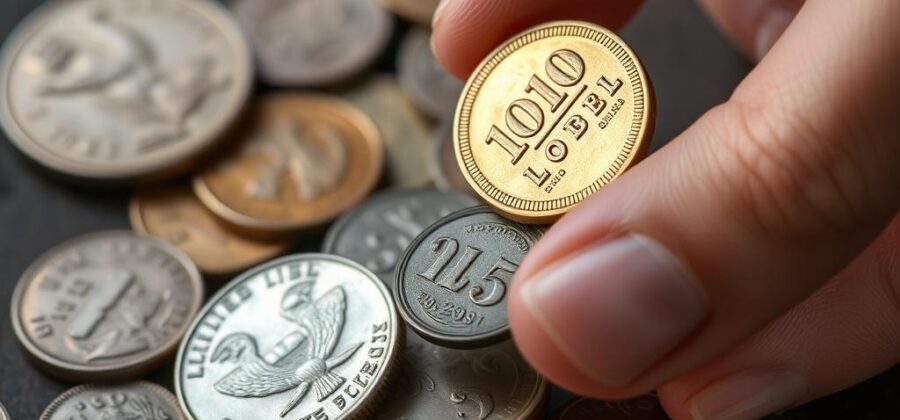
Most of us have a shoebox or jar of change tucked away, forgotten until curiosity or a move pulls it out. Checking the value of old coins isn’t magical; it’s a mixture of observation, reference checking, and a few simple tests. This guide walks you through practical steps, red flags to watch for coin value checker, and realistic ways to turn that loose change into reliable information — and sometimes extra cash.
Why some old coins fetch attention (and prices)
Coins can be valuable for reasons that go beyond face value. Metal content matters — silver and gold have intrinsic worth — but rarity, historical importance, mint errors, and condition often drive collector interest much more than melt value alone.
Demand fluctuates. A coin that a niche group of collectors prizes can command strong prices even if millions were originally minted. Conversely, a rare coin in poor condition may be worth far less than a common coin in exceptional grade.
First steps: what to look for right away
Start by handling coins carefully and noting three essentials: denomination and date, any mintmark, and visible damage. Use clean, dry hands and a soft mat; oils and dirt can be removed gently later with proper care.
Document your finds. Photograph both sides with even lighting, and list the date and any notable features. This basic inventory saves time when you consult books or online price guides and avoids repeatedly handling fragile items.
Identify the coin precisely
Read every mark: year, mintmark (small letters indicating where it was struck), and denomination are the keys to identification. Some coins have subtle mintmarks near the date, or on the reverse; others use symbols or initials that vary by country.
Use enlarging glass or a cheap loupe to see small details. A misread date or missed letter can send you down the wrong research trail and lead to incorrect valuations.
Assessing condition: why grade matters
Condition — often called grade — is the single biggest factor after rarity. Collectors reward sharp strike, intact detail, and bright surfaces; even a few scratches, heavy wear, or a deep rim ding can cut value drastically.
Learn the basics of grading: wear on high points, luster, and surface marks. For serious coins, consider sending them to a third-party grading service. Their grades are trusted by dealers and auction houses and can generate better sale prices.
Quick tests you can perform at home
Simple, non-destructive tests can tell you if a coin deserves closer attention. A magnet will reveal many forgeries and base-metal substitutes; a precise scale and calipers help confirm whether a coin matches official specifications.
Another useful check is sound: gently tap a silver coin and listen for a clear, ringing tone. It’s not scientific, but experienced collectors use sound as an initial indicator before moving to more definitive tests.
Metal content: silver, gold, and melt value
Some coins are essentially small bullion pieces. For these, the metal content gives a baseline value tied to current spot prices of silver or gold. That said, collector premiums often dwarf melt value for desirable dates and varieties.
Weighing coins and checking dimensions against official specifications can quickly reveal content inconsistencies. If a coin’s mass or diameter is off, it may be a counterfeit or altered piece, which substantially affects value.
| Coin type | Typical composition | Quick note |
|---|---|---|
| U.S. dimes & quarters (pre-1965) | 90% silver | Common bullion interest; date and mint influence collector value |
| U.S. half dollars (pre-1965) | 90% silver | 1965–1970 halves contain 40% silver |
| U.S. pennies (pre-1982) | Mostly copper | 1943 steel cents are notable exceptions |
| U.S. gold coins (circulating pre-1933) | High percentage gold | Gold content gives strong baseline melt value |
Using reference materials and online tools
Price guides and catalogs are invaluable. The physical Red Book (A Guide Book of United States Coins) remains a staple for American issues, while specialized catalogs cover foreign and ancient coins more thoroughly.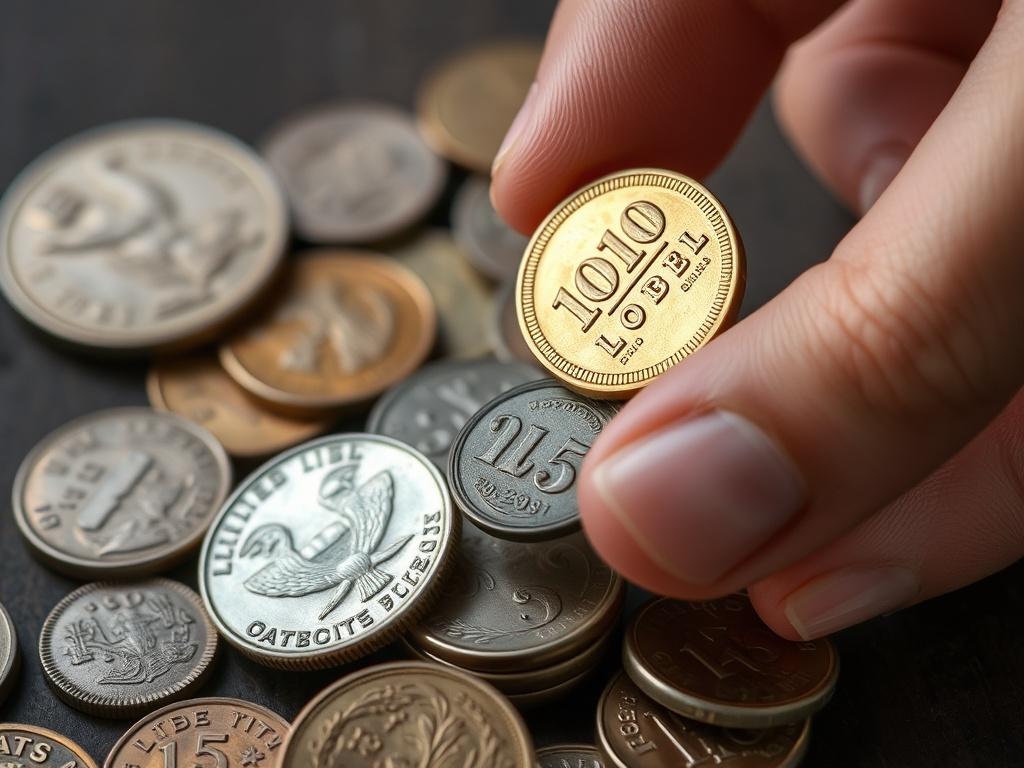
Online resources include databases of auction results, dealer price lists, and grading service populations. Cross-referencing several sources helps you separate average retail prices from top auction outcomes and one-off anomalies.
How to use online auction records effectively
Search completed listings rather than active ones to see what buyers actually paid. Filter by grade and appearance; a coin described as “XF” may still differ markedly in eye appeal, which affects price.
Remember fees. Online auction prices often exclude seller commissions and buyer premiums. When estimating what you’ll receive, subtract those costs to arrive at a realistic net value.
When to seek professional appraisal or grading
If a coin appears rare, is high denominational gold, or you’re considering selling at auction, professional grading pays dividends. Third-party graders assign objective quality ratings that buyers trust, often increasing market price.
Work with reputable dealers or appraisers who have verifiable credentials and clear fee structures. Ask for references or check membership in recognized industry organizations before handing over valuable pieces.
Avoiding scams and common pitfalls
Counterfeits, altered dates, and plated base-metal coins are real hazards. Scammers may pressure you to sell quickly or offer lowball cash. Take your time, and don’t accept a single opinion as gospel unless the person has verifiable credentials.
Keep records of all communications and receipts when you sell. If a dealer claims a coin is “worthless,” get a second opinion. Conversely, beware of anyone promising unusually high returns without documentation.
- Tip: If a dealer’s offer is dramatically lower than multiple price guide values, politely decline and get another evaluation.
- Tip: Avoid cleaning coins aggressively; cleaning often reduces collector value.
- Tip: Use multi-source verification — photos, price guides, auction records, and professional opinions.
Selling strategies: how to get the best price
Decide your priority: speed, convenience, or highest return. Local coin shops and shows offer quick sales but lower prices. Auctions and specialist dealers can fetch higher prices but take time and may involve fees.
Online markets broaden your audience but require strong photos, careful listing, and an understanding of shipping and insurance. For very valuable pieces, consignment with an auction house or specialist dealer usually nets the best exposure.
Pros and cons of common selling channels
Cash sale to a dealer is fast but often pays below market. Online marketplaces reach many buyers but expose you to fees and returns. Auction houses provide expert marketing but charge commissions and take time to settle payments.
Choosing a channel depends on the coin’s rarity, condition, and your comfort with the sales process. For anything above a few hundred dollars, get multiple sale estimates before committing.
Personal experience: a surprise find and what I learned
Once I found a worn silver half-dollar in a jar of change that I’d planned to spend. A quick reference check and a short conversation with a local numismatist revealed it was a 1942 issue in an unexpectedly nice state. I sold it at a local show after getting a conservative grading from a trusted dealer and received several times what the silver content alone would have been.
The lesson was simple: look before you spend. Documentation and a little patience turned a forgotten coin into meaningful cash, and the process taught me how to spot the features that distinguish a common coin from a collectible one.
Practical checklist before you sell or insure
Gather high-quality photos of both sides under neutral light. Record the date, mintmark, weight, diameter, and anything unusual like errors or toning. These details form the backbone of any valuation.
- Inventory each coin with photos and notes.
- Consult multiple price guides and recent auction results.
- Get at least two dealer opinions for high-value items.
- Consider third-party grading for coins above a certain threshold.
- Decide on a selling channel based on goals and timing.
Make sure to ask about fees and net payout before committing. Transparent pricing protects you from unpleasant surprises and helps you compare offers on equal terms.
Final thoughts and realistic expectations
Most old coins are worth more as historical objects or conversation pieces than as instant windfalls, but a small percentage can be surprisingly valuable. Educating yourself, documenting finds, and consulting reliable references will position you to make sound decisions.
Approach the process with curiosity and caution. Whether you keep a favorite piece for sentimental reasons or sell to fund a new hobby, the ritual of examining coins connects us to history in a tangible, rewarding way.
Отправляя сообщение, Вы разрешаете сбор и обработку персональных данных.
Политика конфиденциальности.