
Curiosity is more than a momentary itch to peek behind a curtain; it is a force that shapes attention, memory, and choice. This article explores the psychology behind that pull—the mechanisms that make us ask, explore, and sometimes take risks for knowledge. Read on for a tour through the science, the practical habits that feed curiosity, and the trade-offs worth knowing about.
Defining curiosity: more than «wanting to know»
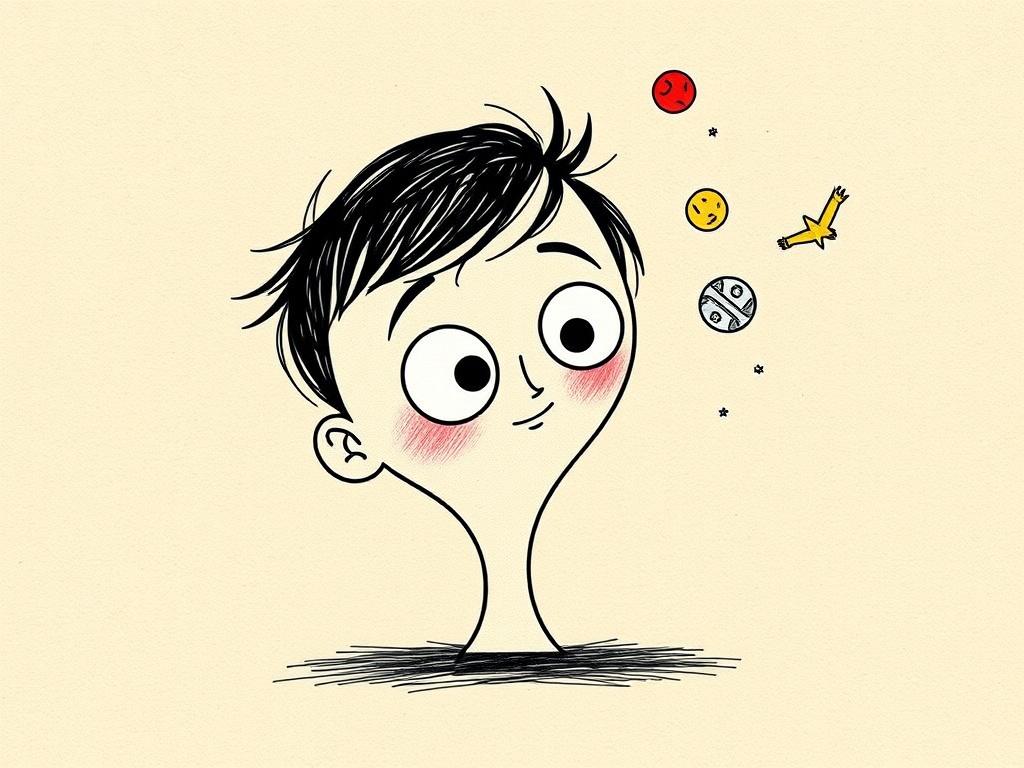
At its simplest, curiosity is a motivational state that drives exploration and information-seeking. That motivation can be short-lived, like glancing at a flashing notification, or enduring, like a lifelong pursuit of botany, and psychology distinguishes between those flavors carefully.
Researchers often separate curiosity into state and trait. State curiosity is the transient feeling that compels a particular act of discovery; trait curiosity describes stable individual differences—people who, by temperament, are more disposed to seek new information across situations.
Epistemic, perceptual, diversive, and specific curiosity
Scholars have proposed several categories to capture the kinds of curiosity people experience. Epistemic curiosity is the desire for knowledge and understanding—questions like «how does that work?» Perceptual curiosity arises from novel sensory stimulation—unusual sights or sounds that demand attention.
Psychologist Daniel Berlyne introduced the distinction between diversive curiosity and specific curiosity. Diversive curiosity is exploratory and often superficial, driven by boredom or novelty-seeking; specific curiosity targets a particular gap in knowledge that the person is motivated to close.
Trait curiosity: styles and profiles
Trait measures capture stable tendencies such as openness to experience, sensation-seeking, and absorption, all of which overlap with curiosity but are not identical. People differ not only in how often they feel curious but in what kinds of curiosity they prefer—some seek novelty broadly, others pursue depth.
These profiles matter because they predict different outcomes. A person high in epistemic curiosity may gain more from formal learning, while someone high in diversive curiosity may generate a wide range of ideas but struggle with follow-through.
The neural machinery of curiosity
Curiosity recruits brain systems involved in reward, memory, and attention rather than a single «curiosity center.» Functional imaging studies show a reliable pattern: areas tied to valuation and motivation light up when people anticipate learning something they care about.
Dopamine, a neurotransmitter long associated with reward and reinforcement, plays a central role. Anticipatory curiosity often triggers dopaminergic responses similar to those produced by food or money, linking information-seeking to the brain’s incentive system.
Key brain regions in play
The ventral striatum and nucleus accumbens are commonly active when curiosity is piqued; these regions encode expected value and motivate action. The prefrontal cortex helps evaluate whether obtaining the information is worth effort or risk, contributing to decision-making under uncertainty.
The hippocampus, essential for encoding new memories, interacts with reward circuitry during curiosity-driven learning. When curiosity is high, the hippocampus becomes more receptive to new information, improving retention even for incidental facts encountered around the sought-after answer.
How neurochemistry explains better learning
A curious brain is a learning-ready brain. Dopaminergic signals during states of curiosity appear to prime the hippocampus, enhancing synaptic plasticity and consolidation. This mechanism helps explain why people often remember material better when they wanted to learn it.
Experimental paradigms show that curiosity about a specific question not only boosts recall of the answer but also improves memory for unrelated information presented in the same learning window. The effect is not magical; it depends on timing, relevance, and the individual’s engagement level.
Curiosity across the lifespan
Curiosity emerges early and changes shape across development. Infants display perceptual curiosity, drawn to novelty and surprising events. This exploratory behavior anchors early learning about object properties and social agents.
During childhood, curiosity fuels language development, scientific reasoning, and social understanding. Play—often dismissed as unstructured fun—is a prime vehicle for guided experimentation and hypothesis testing, where children learn cause-effect relationships and social norms.
Adolescence and risk-heavy curiosity
Adolescence introduces a complex mix: heightened sensitivity to novelty and peer influence, with still-maturing executive control systems. This combination can amplify curiosity-driven risk-taking—exploration that pushes boundaries socially and physically.
Not all adolescent curiosity is dangerous; it can be channeled into productive domains like creative arts, civic engagement, or technical pursuits. Effective support during this stage helps adolescents translate intense curiosity into skills and constructive ventures.
Curiosity in adulthood and aging
In adulthood, curiosity often becomes domain-specific. Professional roles and responsibilities shape where we channel exploratory energy, and life circumstances—time, resources, obligations—constrain it. Yet many adults continue to cultivate curiosity intentionally, finding new hobbies or returning to study.
Older adults tend to show mixed patterns: some decline in exploratory drive is common, possibly linked to lower novelty value or neurobiological changes, while others maintain or even increase epistemic curiosity, especially when social and cognitive engagement are preserved.
Curiosity and learning: practical mechanics
Curiosity alters how we allocate attention and how deeply we process information. When a learner is curious, selective attention narrows on the target, and cognitive resources are preferentially devoted to encoding the relevant information. That shift directly affects comprehension and memory.
Motivated learning driven by curiosity is often self-directed. Learners will generate questions, seek answers, and iterate on hypotheses—activities that mimic scientific inquiry and foster transferable skills like critical thinking and metacognition.
How teachers and designers can harness curiosity
Educators can create «curiosity gaps»—small, strategic gaps between what students know and what they could know—to prompt inquiry. Framing material around compelling questions, surprises, or counterintuitive facts invites investigation without resorting to gimmicks.
Product designers and instructional developers can apply the same idea by presenting progressive disclosure: reveal just enough to intrigue users, and offer avenues for deeper exploration. The key is to balance mystery with attainable insight so learners feel capable of closing the gap.
Curiosity, creativity, and problem solving
Curiosity is a close ally of creativity. The impulse to explore unfamiliar territory generates novel combinations of ideas and raw material for creative synthesis. Diverse experiences and wide-ranging interests often correlate with creative output because they increase the probability of unexpected connections.
Problem solving benefits from two modes of curiosity: the broad scanning that uncovers alternative perspectives and the deep, focused inquiry that refines solutions. Effective problem solvers move between these modes—broad divergence followed by targeted convergence.
Examples from real projects
In my own work as a writer, curiosity has often begun as a narrow question—»What made this overlooked figure important?»—and then ballooned into wide-ranging reading across disciplines. That wandering yielded connections I would not have found by staying strictly within one field.
Engineers and designers often recount a similar arc: an initial observation about a user behavior leads to exploratory interviews and experiments, which then generate prototypes. The back-and-forth between curiosity and testing is where innovation typically happens.
Curiosity and mental health: a nuanced relationship
Curiosity generally predicts positive psychological outcomes: greater well-being, resilience, and life satisfaction. Curious people tend to report richer social interactions and a sense of meaning derived from ongoing learning. These associations hold even after controlling for personality and intelligence.
However, the relationship is not uniformly protective. Excessive or poorly regulated curiosity can exacerbate anxiety when information seeking becomes compulsive or when exposure to distressing content is unchecked. Likewise, clinical depression can blunt curiosity, reducing motivation to explore.
When curiosity helps—and when it harms
Curiosity helps by building competence and social connectedness: asking questions signals interest in others and stimulates conversations. It helps individuals adapt to change by encouraging information gathering and flexible thinking. In clinical settings, curiosity-based interventions can increase engagement in therapy or rehabilitation.
On the other hand, curiosity about harmful domains—such as dangerous behaviors or intrusive gossip—can have negative consequences. The social context and the individual’s regulation skills determine whether inquisitiveness leads to growth or trouble.
How researchers measure curiosity
Psychologists use a mix of self-report questionnaires, behavioral tasks, and physiological measures to study curiosity. Self-reports capture trait tendencies; experiments can evoke state curiosity and track subsequent choices or memory performance.
One widely used questionnaire is the Curiosity and Exploration Inventory-II (CEI-II), which assesses exploration and absorption tendencies. Other scales measure epistemic versus perceptual curiosity or quantify sensation-seeking and openness as related constructs.
Behavioral paradigms and physiological markers
Laboratory tasks often create information gaps and measure participants’ willingness to wait, pay, or exert effort to obtain answers. These paradigms reveal the subjective value people place on knowledge and link that valuation to reward circuitry activity in the brain.
Physiological markers such as pupil dilation, heart rate variability, and skin conductance provide additional windows into the arousal and attentional components of curiosity. Pupillometry, for example, correlates with norepinephrine-driven attentional shifts during surprising or novel stimuli.
Comparison table: common measures
| Measure | What it assesses | Typical use |
|---|---|---|
| CEI-II | Exploration and absorption (trait curiosity) | Individual differences research, correlational studies |
| Epistemic Curiosity Scale | Desire for knowledge and understanding | Studies of learning and academic motivation |
| Information-seeking task | State curiosity; effort and choices to obtain information | Experimental manipulations with neuroimaging |
| Pupilometry / fMRI | Physiological arousal and neural correlates | Mechanistic neuroscience studies |
Practical steps to cultivate curiosity: a step-by-step guide
Curiosity can be strengthened like a muscle; intentional habits increase both the frequency and quality of inquisitive states. Here is a practical sequence to make curiosity a daily tendency rather than a sporadic impulse.
Step 1: Start small by noting one genuine question each day. Record it in a short journal entry and resist the urge to answer immediately; allow the question to sit and expand. Small, repeated practice trains attention toward noticing gaps instead of staying on autopilot.
Step 2: Follow the trail of that question for at least 15 minutes. Use multiple sources—articles, a quick interview with someone knowledgeable, or a short video—to gather perspectives. This deliberate exploration builds confidence in navigating unfamiliar topics.
Step 3: Share one discovery with someone else. Explaining a newly learned fact forces deeper encoding and invites conversational feedback that may open new curiosities. Social exchange also normalizes not knowing and positions asking as a relational skill.
Step 4: Embrace constraints. Set a modest limit—such as one hour per week—for deep exploration into a particular area. Constraints paradoxically boost creativity and reduce decision paralysis, making follow-through more likely.
Daily habits that support curiosity
- Curiosity journal: jot three questions each morning and revisit them at day’s end.
- Question-first reading: skim a piece with a question in mind to guide focus.
- Context switching: introduce variety by alternating dissimilar activities to encourage cross-domain connections.
- Peer inquiry sessions: schedule brief meetings to ask and answer open-ended questions with colleagues.
Curiosity at work: leadership and organizational culture
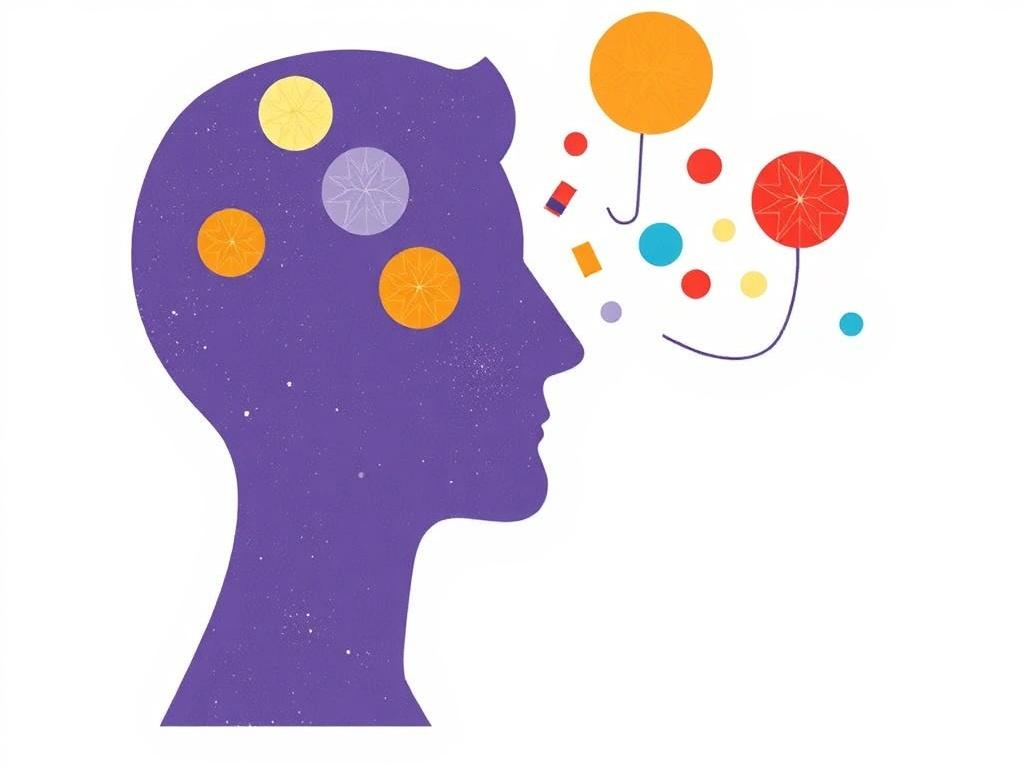
Organizations that nurture curiosity tend to be more innovative and adaptable. Leaders who model question-centered behaviors—asking «why» and «what if» instead of only issuing directives—invite learning and experimentation across teams.
Practical organizational steps include allocating time for exploratory projects, rewarding process and learning (not only immediate outcomes), and creating physical or virtual spaces where questions are prioritized over polished answers.
Examples from industry
Companies that have formalized «20 percent time» or innovation sprints give employees permission to pursue curiosity-driven projects without immediate performance pressure. Such programs often produce unexpected products or process improvements that would not emerge under strict task-driven regimes.
In contrast, hyper-competitive cultures that penalize failed experiments suppress curiosity. The absence of psychological safety makes employees less likely to voice uncertain ideas or probe assumptions, reducing organizational learning.
Ethical considerations and the darker sides of curiosity
Curiosity is morally neutral; what matters is direction and context. Interrogating strangers’ private affairs, prying into confidential data, or experimenting on people without consent are all ways curiosity can cause harm. Researchers and curious individuals must respect boundaries and rights.
There is also the issue of information overload. The internet amplifies the ease of satisfying curiosities but also exposes people to misinformation and sensationalism. Curiosity without critical filters can lead to belief in falsehoods or engagement with harmful content.
Risk management for curious explorers
To reduce harm, pair inquisitiveness with ethical guardrails: ask whether pursuing an answer infringes on privacy, whether expertise is required to interpret findings safely, and whether the knowledge will be used responsibly. These pre-commitment checks help keep curiosity constructive.
Another practical safeguard is source triangulation. Before acting on surprising information, consult multiple credible sources and consider counterevidence. This habit slows impulsive actions and preserves mental resources for high-value inquiries.
Open questions and future directions in curiosity research
Despite gains in understanding, many questions remain. How do social and cultural factors shape the developmental trajectory of curiosity across populations? What interventions reliably sustain curiosity over years, not just weeks? Longitudinal and cross-cultural studies are needed to answer these queries.
Neuroscience offers promising leads but faces interpretive challenges. For instance, how exactly do dopaminergic signals differentiate between wanting information and enjoying information once obtained? Clarifying these mechanisms could inform educational designs tailored to different curiosity profiles.
Curiosity and artificial intelligence
Researchers in AI borrow concepts from human curiosity to build intrinsic motivation systems that guide exploration in reinforcement learning. Curiosity-driven agents explore environments without explicit external rewards, mirroring the way humans sometimes seek information for its own sake.
Translating human curiosity into algorithms raises philosophical and ethical questions: should autonomous systems be designed to pursue unknowns, and how do we ensure their exploration aligns with human values? These are active debates in both technical and policy circles.
Practical takeaways for everyday curiosity
Curiosity is a cognitive tool that can be cultivated intentionally. Simple practices—keeping a question journal, alternating breadth and depth in study, and sharing discoveries—shift patterns of attention and habitually prime exploratory modes of thought.
Balancing curiosity means valuing both the thrill of discovery and the discipline of critical evaluation. Allow yourself to wonder, but pair wonder with skepticism and ethical consideration to ensure your inquisitiveness serves you and others well.
A final personal note
Over years of writing and learning, I’ve found that curiosity’s best gifts arrive when I tolerate not knowing long enough to let an idea develop roots. Quick answers are convenient, but sustained curiosity yields more durable insight and a steadier sense of engagement with the world.
If you take one thing from this exploration, let it be this: curiosity is a habit you can train, a social skill you can practice, and a cognitive state you can design for. Invite it deliberately, protect it from distraction, and watch how ordinary moments become doorways to new understanding.